Blog / Prices
What is personal inflation?
The national index measures a basket. Your pantry reflects your life.
Lleno · September 7, 2026 · 5 min read
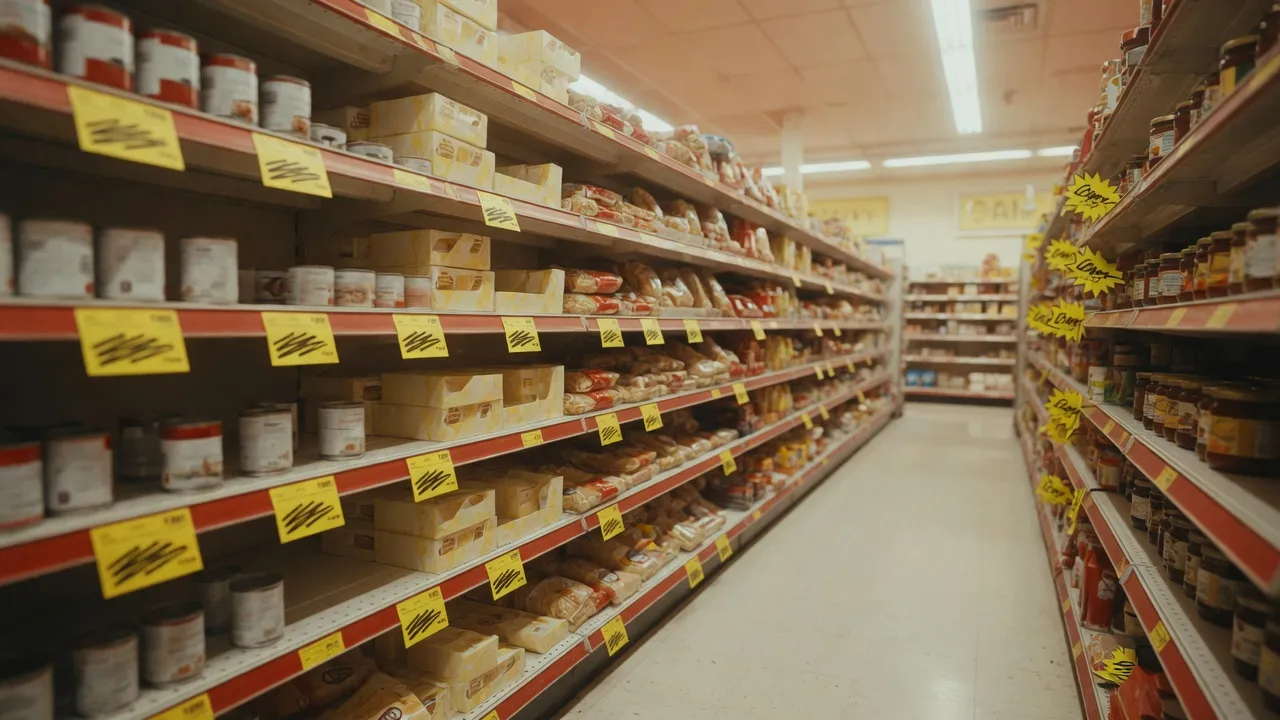
The inflation number in the news is an average. It covers households, cities and products that may not resemble yours.
Your personal price experience asks a narrower question: how have prices changed for the things you keep putting in your basket?
Hallazgo
Official inflation asks what happened across the country. Personal price history asks what happened in your own observed purchases.
Two measures, different jobs
Mexico’s National Consumer Price Index (INPC) is published by INEGI. It serves public economic analysis and other uses. It is not wrong when it differs from your own basket; it measures a different population and mix of products.
What it looks like on a receipt
Imagine the same list—milk, eggs, tortillas, tomatoes and chicken—bought in May and again in August, in equivalent package sizes. Comparing the cost of that fixed basket gives you a basic personal price-change measure.
It complements the national index. It does not replace it, and it is only as reliable as your observations.
Package sizes and changing habits
A bigger total can reflect higher prices, more items or different products. Compare like with like. Discounts, store changes and smaller packages also affect what the receipt tells you.
Where Lleno fits
Lleno’s planned price memory will help users compare their observed product prices. It is not a statistical office or an investment adviser. This website’s demo does not calculate a real household inflation rate.
Methodology
For a simple comparison, choose 10–15 repeat products, record package size and unit price, hold quantities fixed, and compare matching observations across a stated period. Report missing items and avoid treating a change in total spending as pure inflation.
Sources